
Death in the Low Countries
The Catastrophe of the Walcheren Campaign

This is the third in a series of historical vignettes detailing great British military disasters. Feel free to read my analysis of the Sieges of Kut and Singapore.
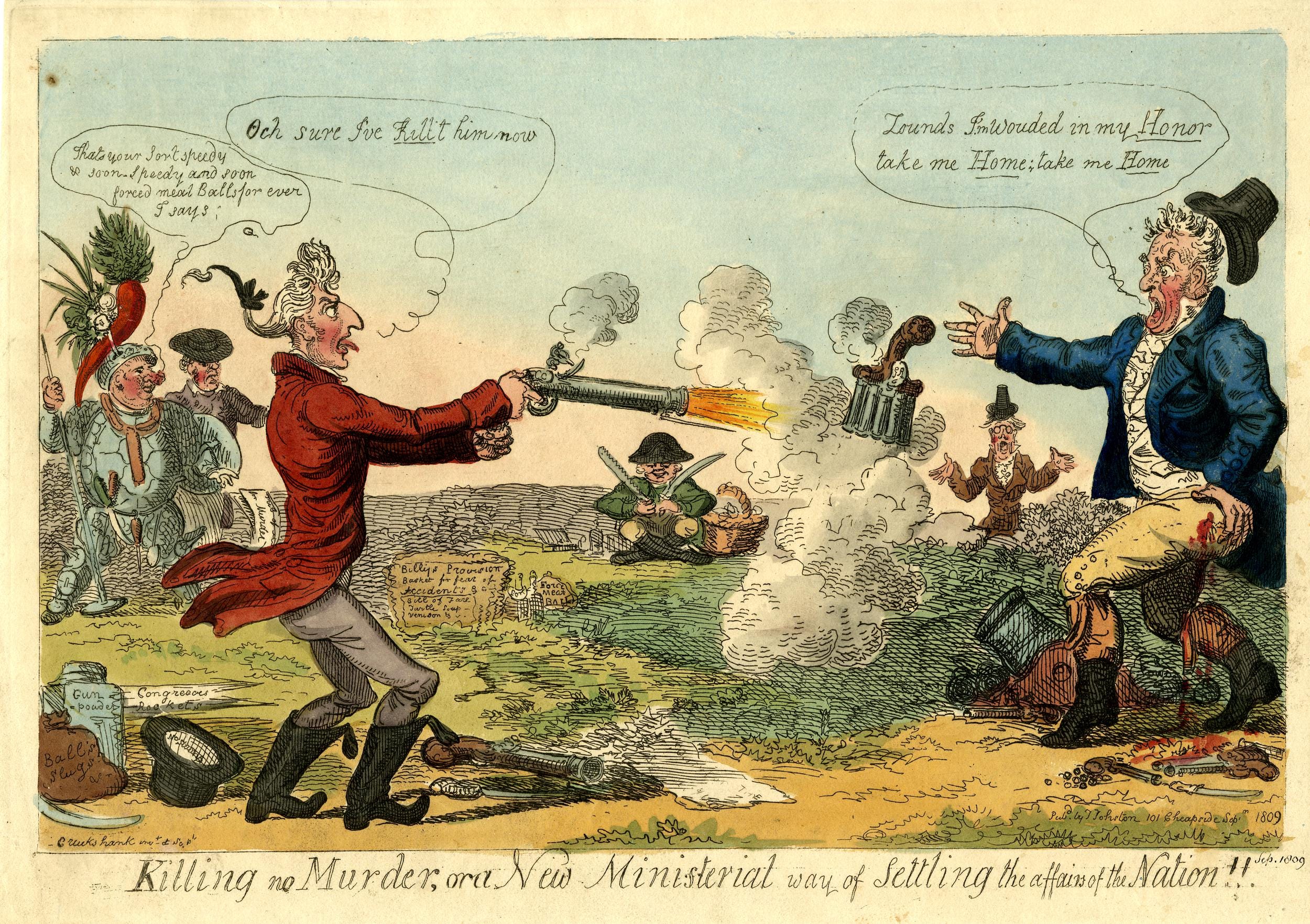
In December 1809, the last few British troops left the Dutch island of Walcheren. This was the final humiliating whimper of one of the greatest British disasters of the Napoleonic Wars. Over a campaign lasting five months, but with comparatively little fighting, the United Kingdom had almost annihilated one of its own armies for no benefit. Thousands of men had died, mostly from a vicious concoction of diseases immortalised as ‘Walcheren Fever’. The failure of the expedition led to an inquiry, the collapse of the British government, and even a pistol duel between the Foreign Secretary and Secretary for War. How had the largest British expedition to the continent failed so spectacularly?
What Happened
1809 did not start well for the British war effort against Napoleon’s French Empire, now in its sixth year. British troops under General John Moore had been driven out of Spain, though thankfully most of them had been evacuated from Corunna in a highly successful amphibious operation. Portugal was on the cusp of being invaded again, and elsewhere Napoleon held mastery over the continent.
However, with the assistance of hefty British subsidies, in April 1809 the Austrian Empire declared war on France - the fourth time in seventeen years - as part of the ‘Fifth Coalition’. As well as financial support, the Austrians demanded tangible military assistance from their British allies, focused around an expedition to Northern Europe to create strategic dilemmas for Napoleon.
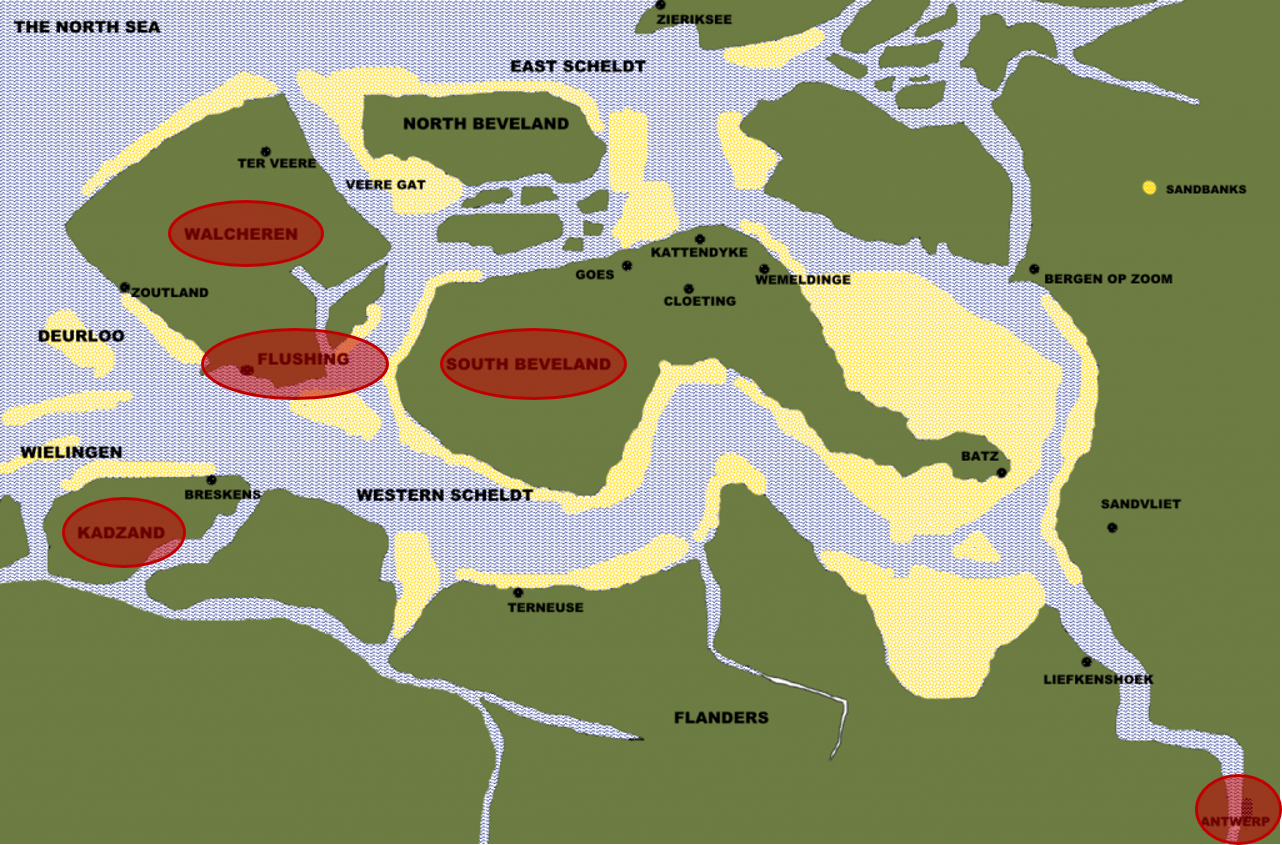
British policymakers, in particular the Secretary of State for War Lord Castlereagh, determined on an expedition to the Low Countries, and the ports of Flushing (Vlissingen) and Antwerp in particular.1 In truth, this had less to do with supporting the Austrians and more to do with long-held British concerns over the significant shipbuilding infrastructure at Antwerp. The British government was extremely alarmed by Napoleon’s rapid replenishment of his fleet and the possibility of a French challenge to British sea control. An attack on Flushing and Antwerp would, it was theorised, both provide a diversion to support Austria and strike a hefty blow at French naval power. As such, over 40,000 men and 100,000 tons of shipping (including 42 battleships) - the largest single British expeditionary force of the French Wars - was gathered in the South of England. The ‘armament’ was to capture the islands of the Scheldt estuary, including the port of Flushing on Walcheren, and then attack Antwerp.2
However, due to both domestic politics (including a classic Regency-era scandal involving the Duke of York’s mistress), lethargic planning, unseasonable weather and a sheer lack of transports, the expedition did not get underway until late July 1809 - even after news of the Austrian defeat at Wagram in early July had filtered through to London. In a complicated operation, British troops were to be landed through amphibious assault on several different islands within the Scheldt Estuary. Though delayed and changed due to the weather, the assault on Walcheren itself went well, as did that on South Beveland. However, the attack to take the strategically vital Cadland (Kadzand), on the other side of the Estuary, was called off after days of unclear planning and bad weather. The guns of Cadland menaced British shipping and allowed the French and Dutch defenders to ferry troops across the water to reinforce the port of Flushing, invested by the British from 03 August. After two weeks, however, Flushing was taken and its garrison marched into captivity, at relatively little loss of British life. The expedition now fully controlled the islands of Walcheren and South Beveland. From here, however, everything started to unravel.
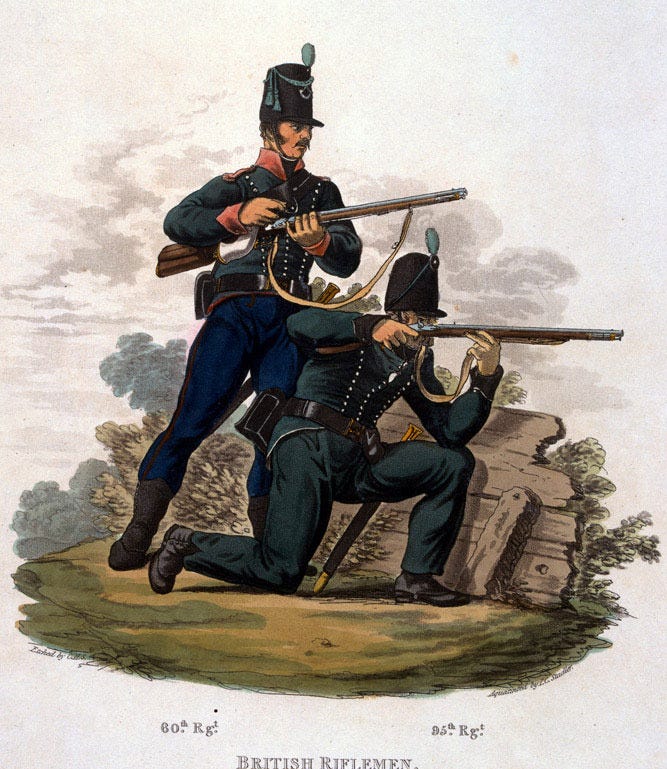
No real plan had been made as to how to proceed onto Antwerp from this position. The siege of Flushing had taken up valuable time, and the enemy had not stood idle.3 Antwerp’s hitherto-neglected defences were being hastily upgraded, and its garrison swollen by thousands of Dutch and French troops pouring in from different parts of the Empire. Facing an increasingly dangerous situation, the British commanders on the ground, and British policymakers at home, both dithered. As they did so, a new enemy struck - ‘Walcheren Fever’.
The Fever first appeared around 19 August, and within weeks the British force was being torn apart by disease, made worse by inadequate medical support. Finally a decision was made to abandon the attack on Antwerp, but to leave a significant garrison on the island of Walcheren. This was a fateful choice for the thousands of men on the island, and the casualty rate soared over the coming weeks. By the end of September, of the almost 17,000 men of the garrison, a staggering 9,299 were reported sick. Despite the news of peace signed between Austria and France, and the collapse of the government back home in Britain, no speedy evacuation of Walcheren was decided upon, and men continued to die in their droves. Eventually, in November, a new British government finalised plans for a retreat following the destruction of infrastructure in Flushing. The last troops and ships left in late December after a disastrous campaign that had caused thousands of casualties for no gains whatsoever.
The Failure of Policy and Politics
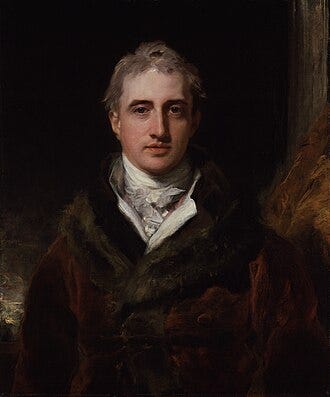
The Walcheren Expedition was as much a failure of high policy and strategy as it was operationally. The plans to take Flushing, the islands of the Scheldt, and then the major port of Antwerp were never thought through in sufficient detail. In particular, the desired capture of Antwerp following the landings on the Scheldt islands was never elaborated properly, despite being the main aim of the expedition! The fact that Antwerp could not be isolated by sea, but could be readily reinforced by the French from the rest of Europe, did not seem to be entertained by the main policymakers, despite the advice from both military and naval professionals that the expedition should not be undertaken.4
Nor was it supported politically by a unified cabinet; very much Castlereagh’s ‘baby’, it was opposed by Foreign Secretary George Canning and several other ministers. Domestic politics seeped through the expedition; as noted above, delays were caused by the Mary Anne Clarke scandal, which caused the Duke of York - a sensible and talented military administrator - to resign as commander-in-chief.5 Decisions were taken very late in the year, and planning was remained very last-minute. The choice of Lord Chatham, the serving Master-General of the Ordnance, as field commander may have been due more to domestic politics rather than his (dubious) soldierly talents.
Even as the Walcheren expedition sweated through the feverish months of August and September, the simmering rivalry between Castlereagh and Canning exploded into a scandalous duel in September, in which the latter was wounded. The Portland government, already on its last legs, collapsed and the ensuing political turmoil ensured a complete lack of effective political leadership over how to proceed with the campaign.
War is fundamentally political, as Clausewitz reminds us, and military activity needs firm civilian political oversight, most especially in democracies. However, politics becomes poisonous when war policy is concocted in an atmosphere of political deadlock, division and scandal back home, and operations are sent out without the full support of the civilian government.
The Failure of Army-Navy Cooperation and Leadership
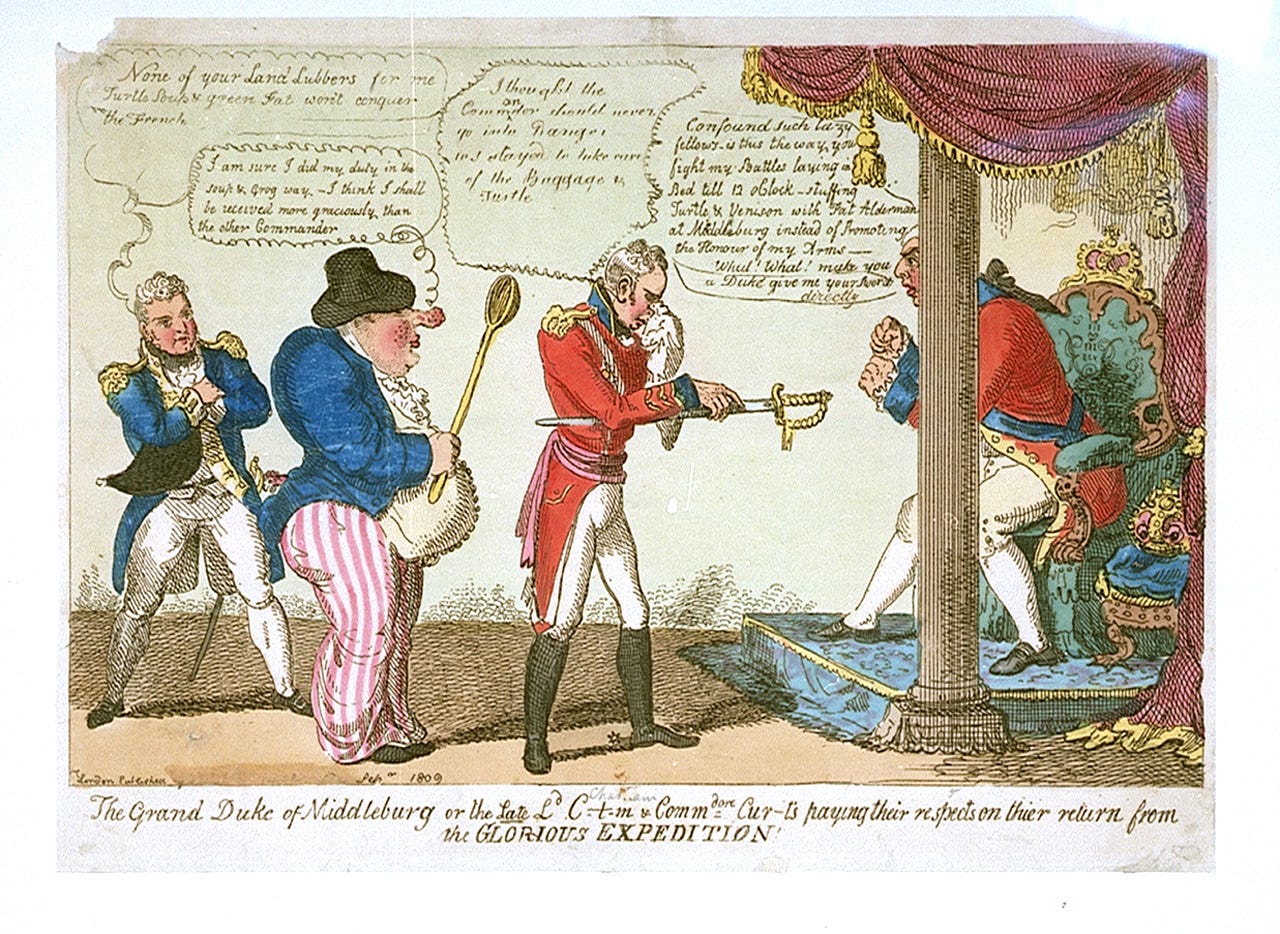
An expedition of this size and complexity demanded exceptionally close and effective cooperation between the two services. Indeed, many times during the French Wars the Royal Navy and British Army had, and would, demonstrate excellent coordination in amphibious ‘conjunct operations’. Unfortunately, this was not to be at Walcheren, mostly due to the two expeditionary commanders, Lieutenant General The Earl of Chatham and Rear Admiral Sir Richard Strachan.
The two men did not just differ on military matters, but couldn’t be more unalike in personality. Lord Chatham, the older brother of the late brilliant Prime Minister William Pitt the Younger, was an intelligent man but infamously lazy and laid-back, earning his ironic nickname of the ‘Late Earl’. Sir Richard Strachan was an aggressive, competent sea-officer in the best traditions of the Royal Navy, but also ill-tempered and impolitic, and had little experience of amphibious operations. Neither man was particularly interested in developing a serious understanding of their counterpart’s concerns. Throughout the campaign, the Navy and Army often seemed to be operating independently of each other, rather than conjunctly, and the pressures of command led to both men publicly airing their disputes, to the point that Admiral Strachan’s aggressive letters were published in the London newspapers. This did nothing to facilitate improvements in cooperation, nor sustain the morale of the troops they commanded. The bad relationship between the two men was not a recipe for military success, especially when, if the operation was ever going to succeed, it needed supreme levels of control and cooperation between sea and land forces.
The British Armed Forces, and other NATO militaries, are supposedly moving towards an ‘Integrated Force’, working as one. While I have seen many good examples of excellent inter-service coordination, I have also seen it done badly. These issues are almost always as much, if not, more, cultural as they are technical or doctrinal, and require significant inter-service training, and appropriate personalities, at all levels to iron out.
The Failure of Intelligence and Counter-Intelligence
As is so often with failed expeditionary operations, poor intelligence was a key factor in 1809. This mostly related to the British understanding of the Scheldt itself, which was extremely rudimentary, and meant that once in the region the Navy was heavily reliant on local Dutch pilots to avoid becoming beached or shipwrecked, precluding the sort of aggressive actions that would have been necessary if Antwerp was ever to have actually been attacked. Furthermore, though the British had reasonable understanding of the poor state of defences and local garrisons, they vastly underestimated how quickly the Napoleonic Empire could mobilise reserves and send them to the Low Countries, even with the Emperor campaigning in Germany.
British intelligence failures were compounded by their failures at counter-intelligence. The French were well aware that an expedition was being planned for months, and rumours that it would be targeted at the Scheldt were openly discussed in French newspapers! When it came, the expedition, nor its destination was a surprise, which severely undermined the operation from the start.
Inadequate Medical Provision
The most dangerous enemy that the British expedition faced was ‘Walcheren Fever’, believed today to be a combination of malaria, typhus, typhoid, and dysentery, all common on the islands at that time of year. The sheer scale of the Fever completely overwhelmed British medical provision, and revealed significant failings in preparation and response, even by the rudimentary medical standards of the time.
Despite the sickly nature of the Scheldt islands being common knowledge (Castlereagh had himself discussed it years before), very little serious attempt was made prior to the expedition to prepare for it, and indeed the force embarked with its medical staff undermanned and under-equipped. The key doctors of the Realm were barely consulted, and even when they were, the Army Medical Board proved to be utterly incompetent and lazy, failing to provide meaningful assistance or advice even as men died in their droves from fever. Hospitals both on Walcheren and in the UK were overwhelmed, leading to horrifically filthy and unsanitary conditions, and doctors struggled to procure enough of the medical supplies they needed to treat the sick.
I’ve mentioned this before, but medical provision is something that is often neglected despite being a critical enabler of military power. Both Kut and Walcheren are tragic examples of what happens when a force’s medical services completely break down.
Aftermath
The official estimate suggested that 106 British soldiers were killed in the fighting, while 3,960 died of disease. Other authors suggest that this is a gross underestimate, and it is perhaps likely that as many as 8000 men died as result of the expedition. Furthermore, many soldiers who had been afflicted by Walcheren Fever continued to suffer complications for many years, and during the Peninsular War regiments that had served on Walcheren were notorious for being particularly sickly and falling ill before the rest of the army.
The Expedition was a scandal at home, helping topple not just the Portland government but leading to a full-blown parliamentary inquiry. Following their duel, Canning and Castlereagh were left in the wilderness, though both would eventually come back to front-bench politics, the latter famously as one of the architects of Congress of Vienna.6 Strategically, British troops were kept out of Northern Europe for years, and the focus of British efforts against Napoleon now turned to the Iberian Peninsula, where Arthur Wellesley - the future Duke of Wellington - was making a name for himself as a General in Spain and Portugal.
Walcheren is a particularly acute example of bad policy from the top cascading down and leading to the pointless deaths of thousands of British citizens. Though less well-known today and overshadowed by the later victories, it serves as a reminder of the critical importance of unity between policy, strategy, and operations in wartime.
I hope you enjoy these historical pieces - do let me know what you think, and if I can improve them at all.
All the best,
Matthew
Cracking Defence is a reader-supported publication. If you enjoy my work, please like, share, subscribe, and if you are able, buy me a coffee to support my work. All and any support is hugely appreciated.
Bibliography
Golding, Christopher T. ‘Amphibians At Heart: The Battle Of Copenhagen (1807), The Walcheren Expedition, And The War Against Napoleon.’ Journal of the Society for Army Historical Research 90, no. 363 (2012): 167–88.
Hansard HC Debate 26 January 1810 vol 15 cc161-208.
Harvey, A. D. ‘Captain Pasley At Walcheren, August 1809.’ Journal of the Society for Army Historical Research 69, no. 277 (1991): 16–21.
Howard, Martin. ‘Walcheren 1809: A Medical Catastrophe’ in British Medical Journal 319, no. 7225 (1999): 1642-5.
Howard, Martin. Walcheren 1809: Scandalous Destruction of a British Army. Pen and Sword, 2012.
Knight, Roger. Britain Against Napoleon: The Organisation of Victory 1793-1815. Penguin, 2014.
Fun trivia - the Secretary of State for War and the Secretary at War were two different government positions, which can get confusing!
It is worth noting that the islands are now joined in a peninsula.
The Royal Engineers were criticised at the time for their slow progress in constructing effective siege works during the investment of Flushing.
In the run-up to the expedition, Castlereagh had a habit of ignoring information that was inconvenient to him.
The Duke of York is an excellent example of a man who was a poor general but effective military staff officer who served his country honourably at the highest rank.
Neither man had a happy ending, however: Castlereagh famously committed suicide in 1822, while Canning very briefly became Prime Minister before dying in office in 1827.
Thanks Matthew these are always awesome.
Very enjoyable. What might be a few sentences in a large-scale history is much more interesting when treated as the subject itself.